
Mutton, a pasta guitar and a spice worth more than gold
Abruzzo cooking comes from shepherding and stayed there: few ingredients, long cooking, and two or three things you will not find anywhere else.
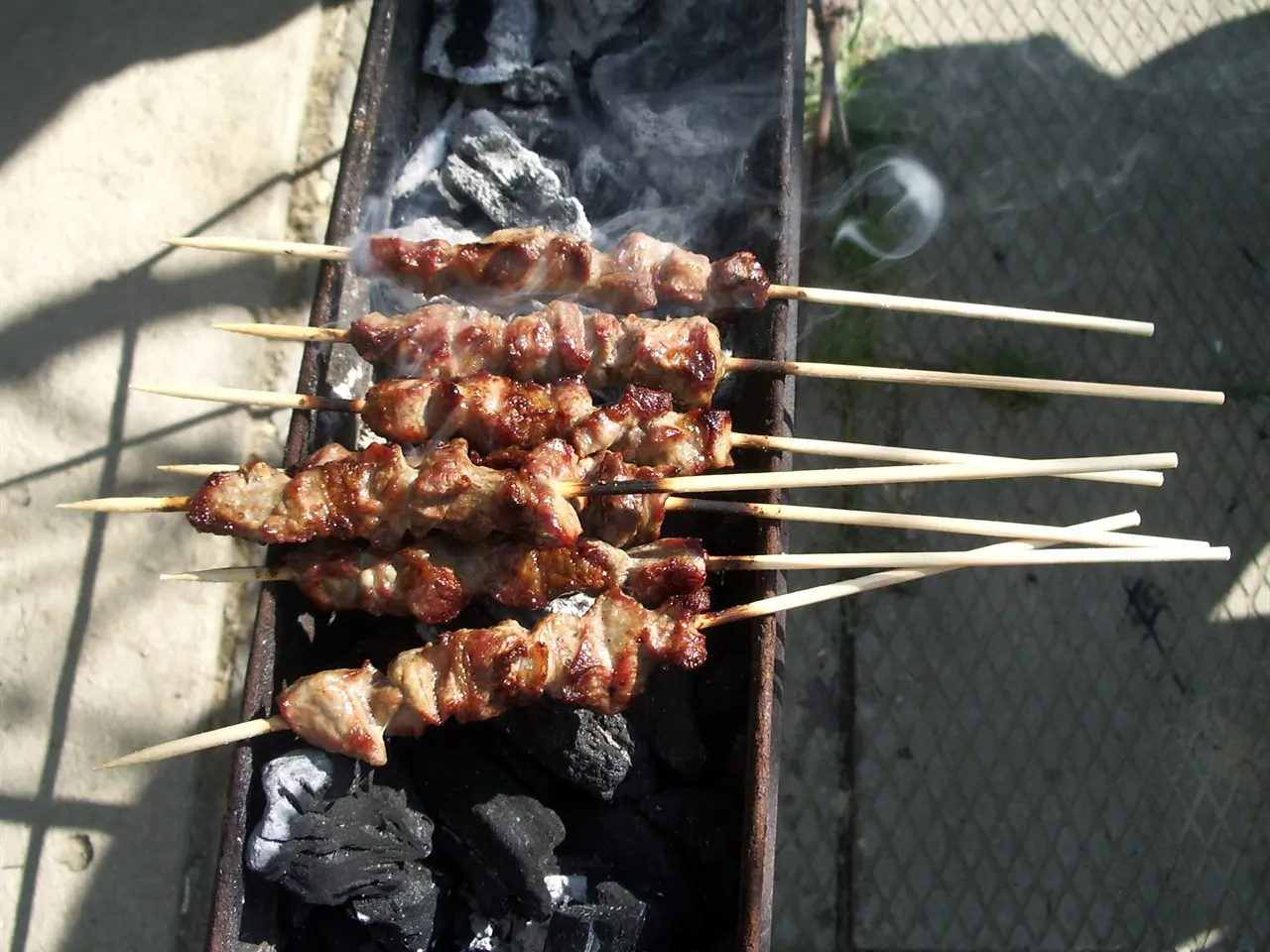
Arrosticini are the most Abruzzese thing there is. They are skewers of mutton cut into cubes, cooked over a long, narrow brazier called a fornacella, and eaten with your hands, pulling the meat off with your teeth, by the dozen. They began as shepherds' food, made from animals too old for the flock, cut fine so they could be chewed. You order them in bundles and nobody counts them one by one.
You order them in bundles and nobody counts them one by one.
Arrosticini
Home-made pasta
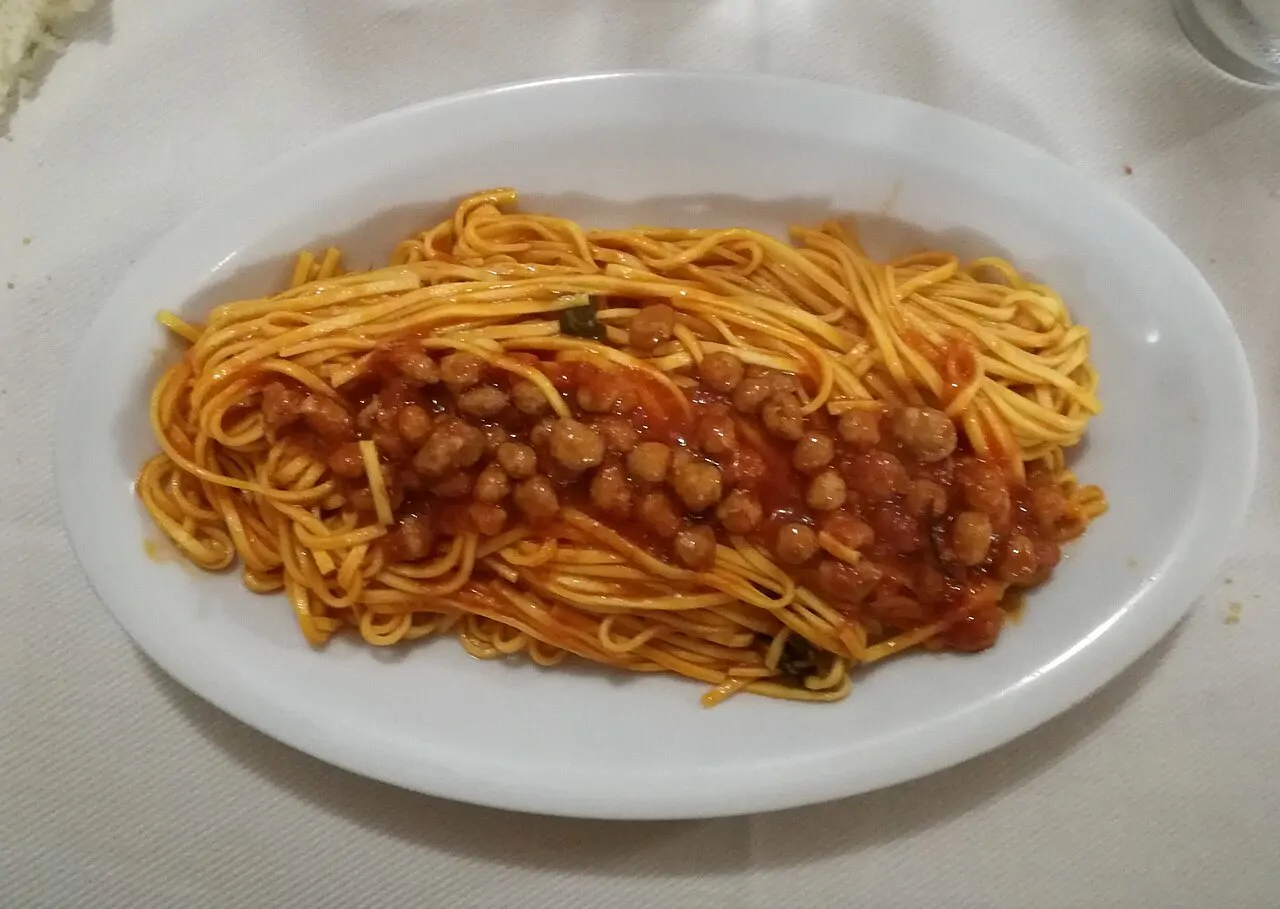
The local pasta is the chitarra, the guitar: a wooden frame strung with steel wires, on which the sheet of dough is pressed to come out as square-sectioned spaghetti. The traditional sauce is alle pallottine, with meatballs the size of hazelnuts. On the other side of the region there are scrippelle 'mbusse, thin crepes rolled in pecorino and served in broth, eaten in Teramo in winter.
The saffron of Navelli
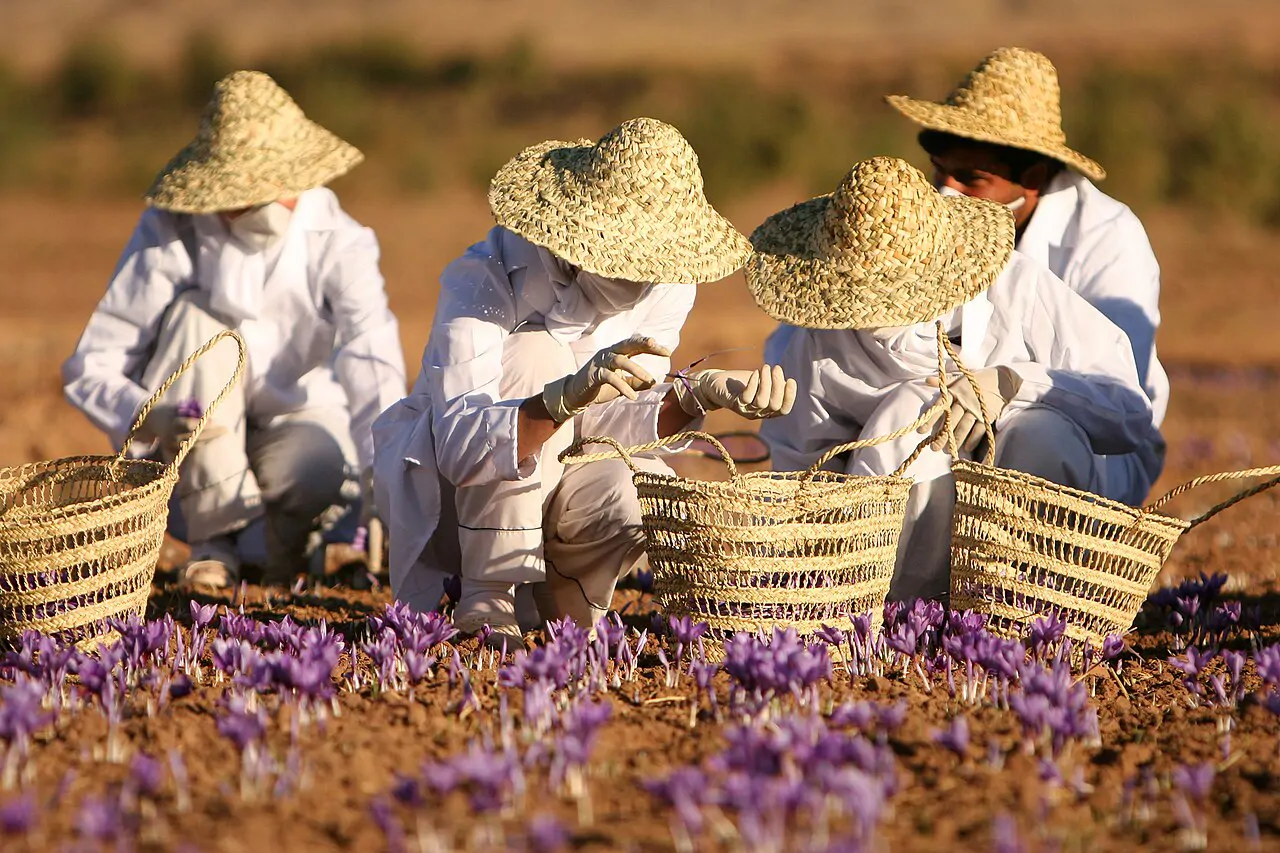
L'Aquila saffron is a protected designation and has been grown on the Navelli plateau since a Dominican friar brought the bulbs back from Spain in the fourteenth century. It is picked by hand at dawn, over a few days a year, flower by flower, and each flower gives three stigmas: a kilo of the spice takes around two hundred thousand of them. That explains the price, and it also explains why so little of it is used in the kitchen.
Cured meats and cheeses
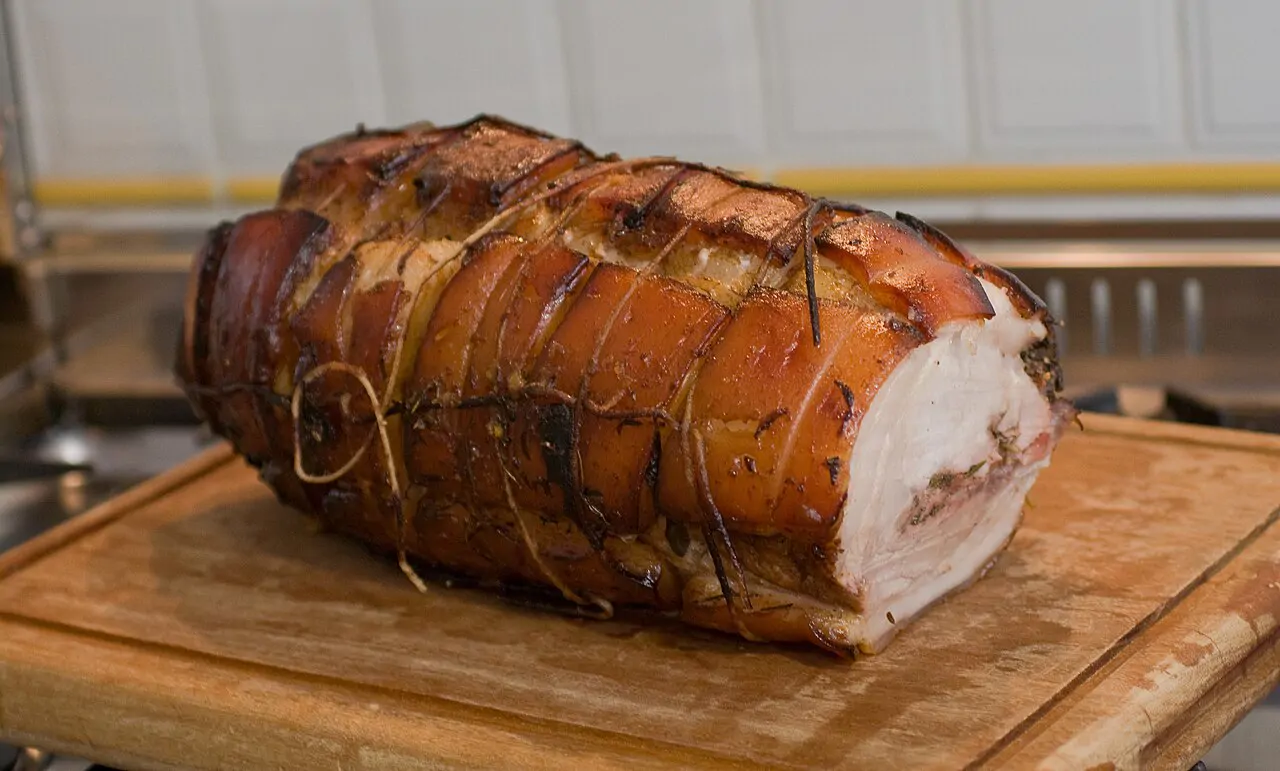
The most distinctive cured meat is ventricina from the Vasto area, packed into a large casing and seasoned with dried sweet pepper, which gives it its bright red colour. Porchetta turns up at every village fair. Among the cheeses, canestrato from Castel del Monte is a mountain pecorino aged in a cave, and the scamorza of Rivisondoli is eaten grilled.
The sea, which is another kitchen
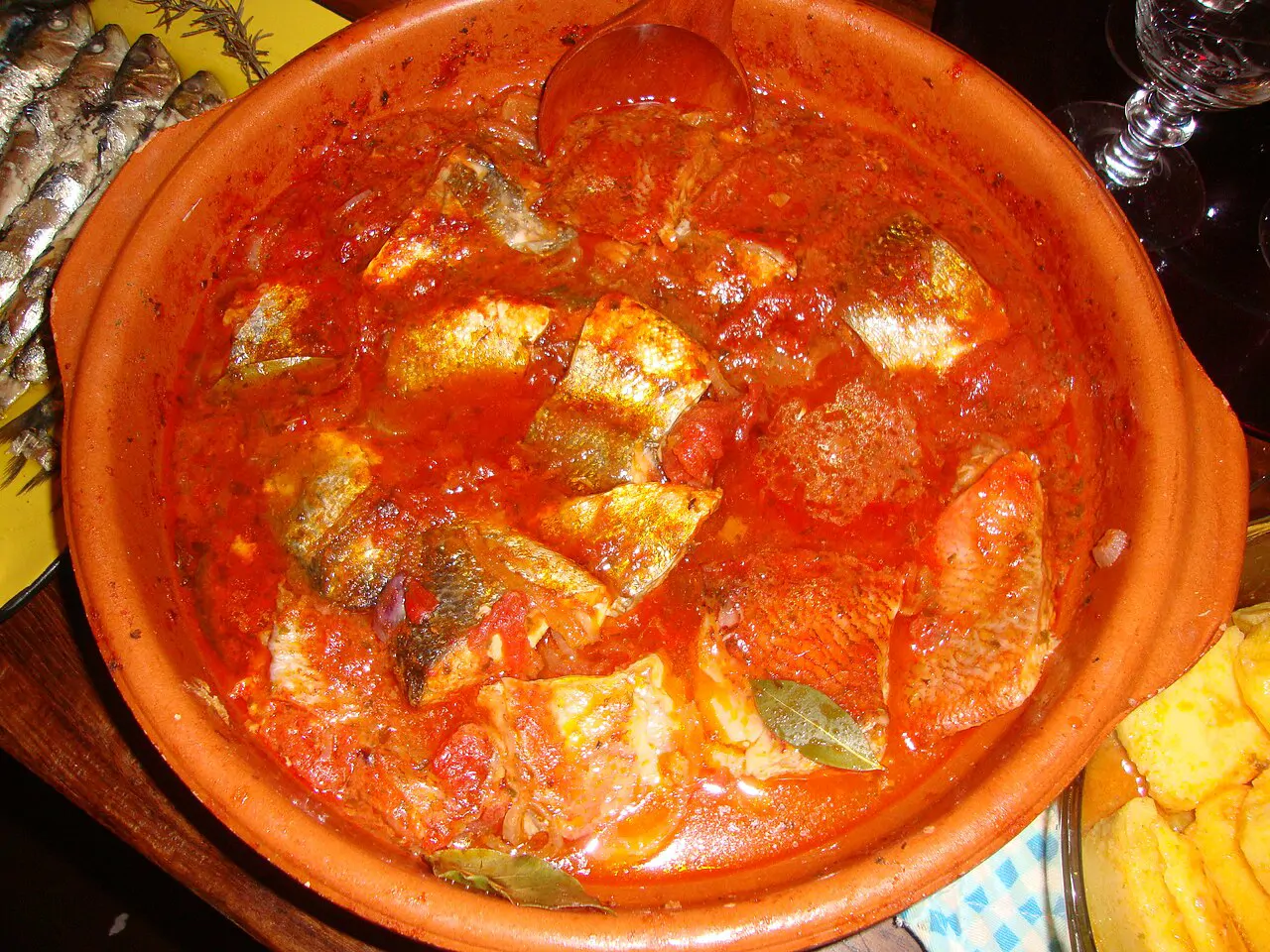
On the coast the cooking changes completely. Brodetto alla vastese is made in an earthenware pan, with the fish layered and never stirred and with fresh tomato, and no garlic goes into it. On the trabocchi that have become restaurants you eat whatever ended up in the net that day, which means there is no menu.
To drink
To drink, Montepulciano d'Abruzzo is the red you find everywhere; Cerasuolo is the same grape made as a rosé and is the right thing with arrosticini. Trebbiano d'Abruzzo, in the hands of two or three producers, is one of the Italian whites that age best. You finish with centerbe from Tocco da Casauria, a fierce green herb liqueur, or with the sugared almonds of Sulmona, made there since the fifteenth century and familiar to anyone who has been to an Italian wedding.