
The Maiella
The second massif of Abruzzo, and the most solitary: very narrow gorges, hermitages carved into the rock, and the mountain the Romans called mother.
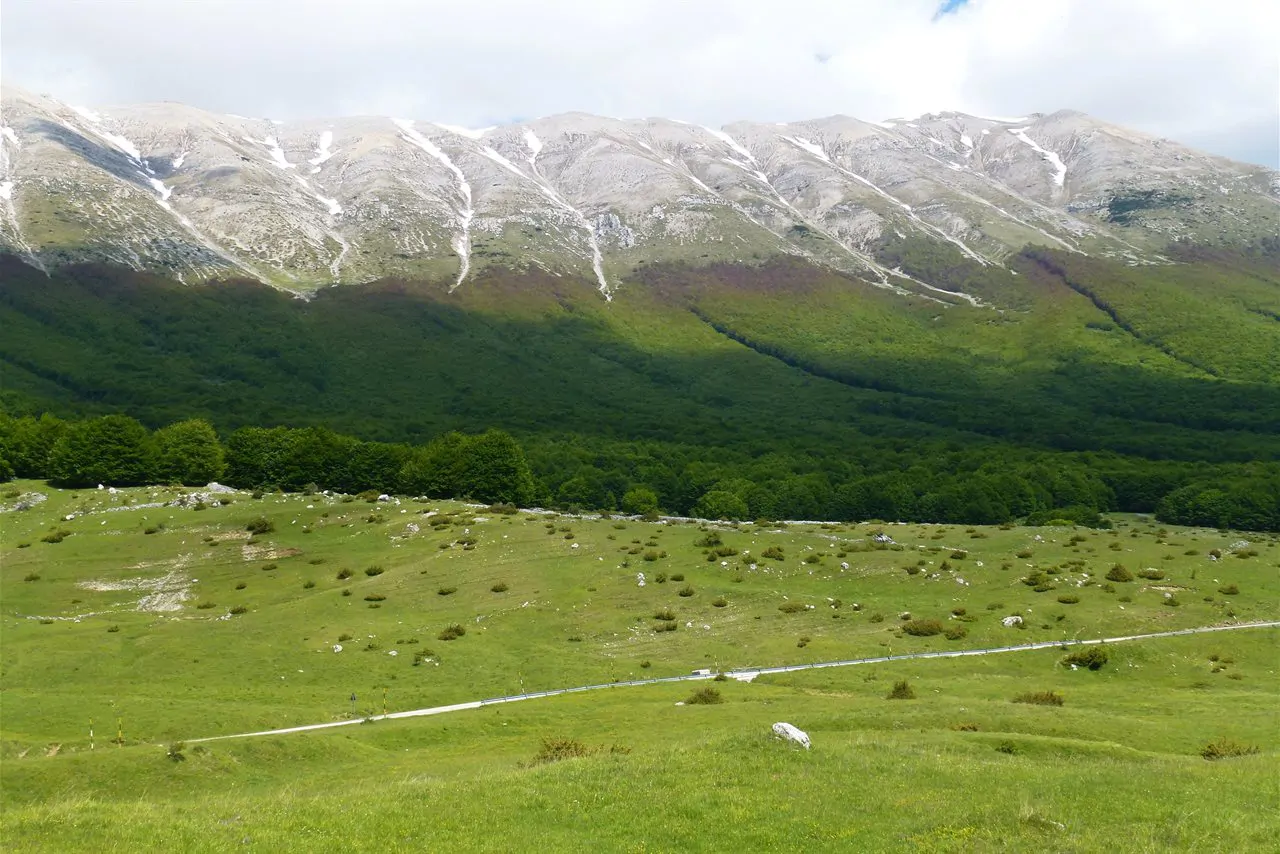
If the Gran Sasso is the mountain you see from a distance, the Maiella is the one you go into. It is a compact massif with no showy spires, which from outside looks like a dome: its character is on the inside, in the narrow valleys that cut into it from every side and in the caves the centuries have hollowed out. The Romans called it the mother mountain, and in Abruzzo they still do.
The gorges
The gorges of Fara San Martino are the most spectacular way in: a fissure that opens behind the village, in places only a few metres wide, with walls rising vertically for hundreds. At the entrance stands the abbey of San Martino in Valle, buried in gravel for centuries and brought back to light only a few years ago. The Valle dell'Orfento, on the Caramanico side, is longer and greener, and to walk it you need a free permit collected at the visitor centre: a way of counting how many people go through.
At Fara San Martino, where the gorges open out, there are pasta factories. That is no accident: it was the water of that spring that made this village's pasta famous, and for a century and a half it has been made here for that reason.
The hermitages
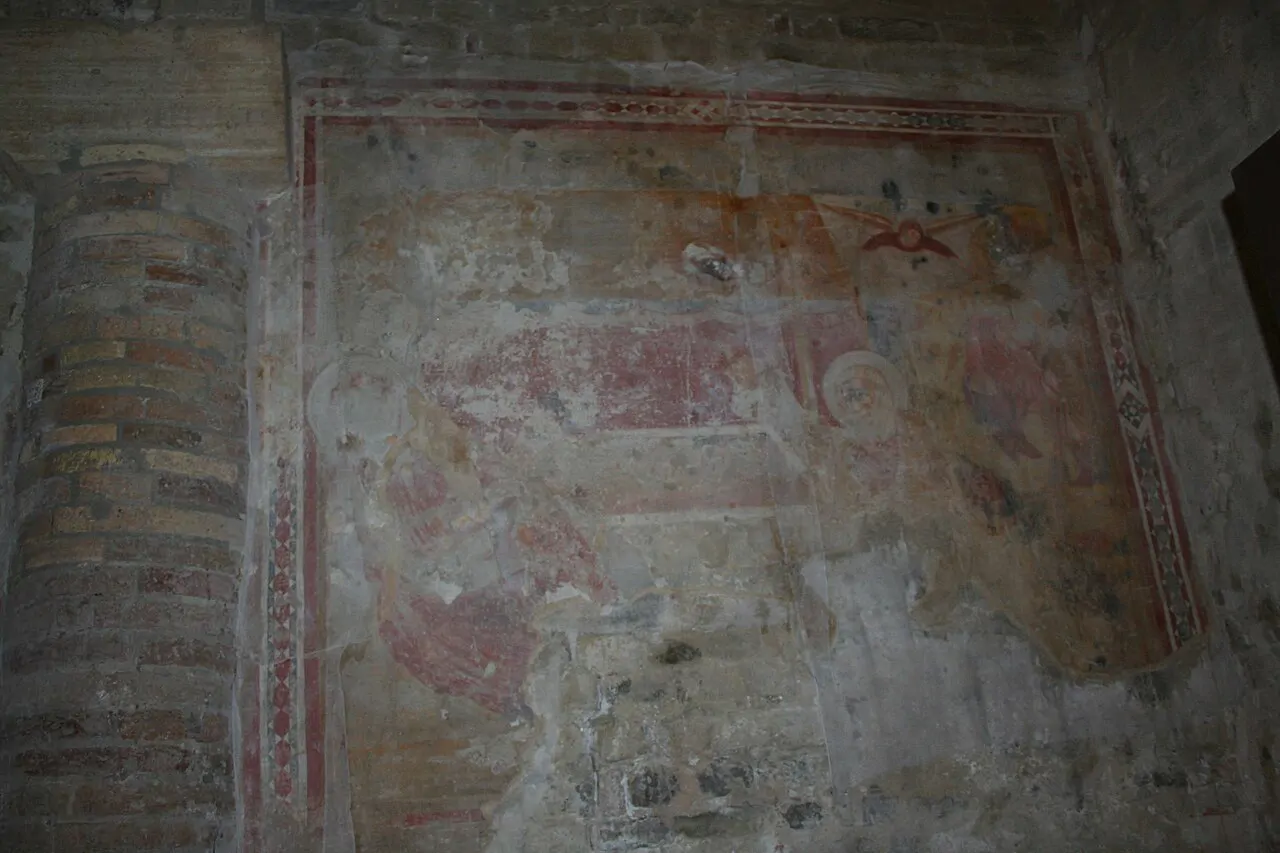
The Maiella is the mountain of hermits. More than a hundred hermitages and cells are carved into its walls, some reachable only after an hour on foot: San Bartolomeo in Legio, wedged into a cleft above Roccamorice, and Santo Spirito a Majella are the best known. Pietro da Morrone lived in several of them, the monk who in 1294 became pope as Celestine V and who five months later walked away, the only one in history to do so until recent times.
High up and underground
Monte Amaro, at 2,793 metres, is the second peak of the Apennines after the Corno Grande, and it is reached only by a long traverse: on its summit there is a bivouac shelter and nothing else, in the middle of a plateau of white stone that looks like a desert. On the Pretoro side, the Blockhaus takes its name from a nineteenth-century fort built against bandits, and it is one of the hardest climbs the Giro d'Italia has ever included. The Grotta del Cavallone, above Lama dei Peligni, is among the highest show caves in Europe and is reached by chairlift and then on foot.